
Smart Power Storage Cabinet Fire Protection System
Release time:
2024-04-17
Smart Power Storage Cabinet Fire Protection System
I. Introduction to the Functions of the Power Energy Storage Cabinet
1.1 What is an Electrical Energy Storage Cabinet?
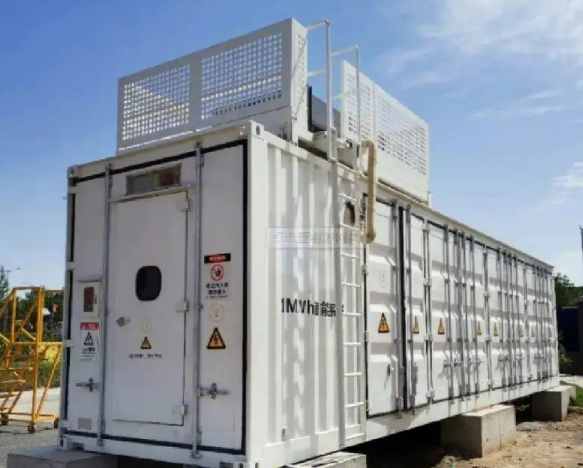
An electric power energy storage cabinet is a system that integrates components such as battery modules, a battery management unit, an energy storage converter, a control unit, a fire‑suppression system, and a thermal‑management unit. It can be flexibly deployed in outdoor settings and supports a wide range of applications in power systems.
The main functions of the power energy storage cabinet include:
-
Capacity Regulation: By storing and releasing electrical energy, energy storage systems adjust the supply capacity to accommodate fluctuations in power system demand. This helps optimize energy utilization, enhance supply efficiency, and address peak‑demand periods, thereby ensuring stable operation of the power system.
-
Emergency Backup: In the event of a power system failure or an unexpected incident, the energy storage cabinet can rapidly discharge its stored electrical energy, providing an emergency backup power supply. This capability enhances the robustness of the power system, ensuring safe and stable power delivery during emergencies.
-
Load balancing: Energy storage cabinets monitor the load conditions of the power system to achieve dynamic energy balance, ensuring alignment between energy supply and demand. This capability enhances the flexibility of the power system, enabling it to adapt to varying time periods and scenarios, thereby improving energy utilization efficiency.
4. Intelligent Scheduling: Energy storage cabinets integrated with intelligent control systems can perform precise power scheduling, enabling smart management and optimized utilization of energy resources. This intelligent scheduling capability enhances the overall response speed of the energy system and improves energy efficiency.
5. Peak Shaving and Valley Filling: Energy storage cabinets can store energy during periods of low electricity demand and release it during peak periods, thereby balancing grid load and reducing reliance on conventional power generation facilities.
6. Renewable Energy Integration: Energy storage cabinets help smooth out the output fluctuations of renewable energy sources such as wind and solar, thereby enhancing their utilization rate and ensuring stable grid‑connected power generation.
7. Power Quality Management: By operating energy storage systems, power quality can be improved—for example, by regulating reactive power to maintain stable grid voltages.
8. Demand-Side Response: Energy storage cabinets can participate in demand-side management by adjusting energy consumption patterns on the load side to respond to changes in grid demand, thereby enhancing grid operational efficiency.
These features make power‑storage cabinets a critical component of the power system, helping to enhance grid stability, safety, and cost‑effectiveness while also facilitating the broader deployment of renewable energy.
II. Proposal Overview
2.1 Fire Protection System of the Electrical Energy Storage Cabinet
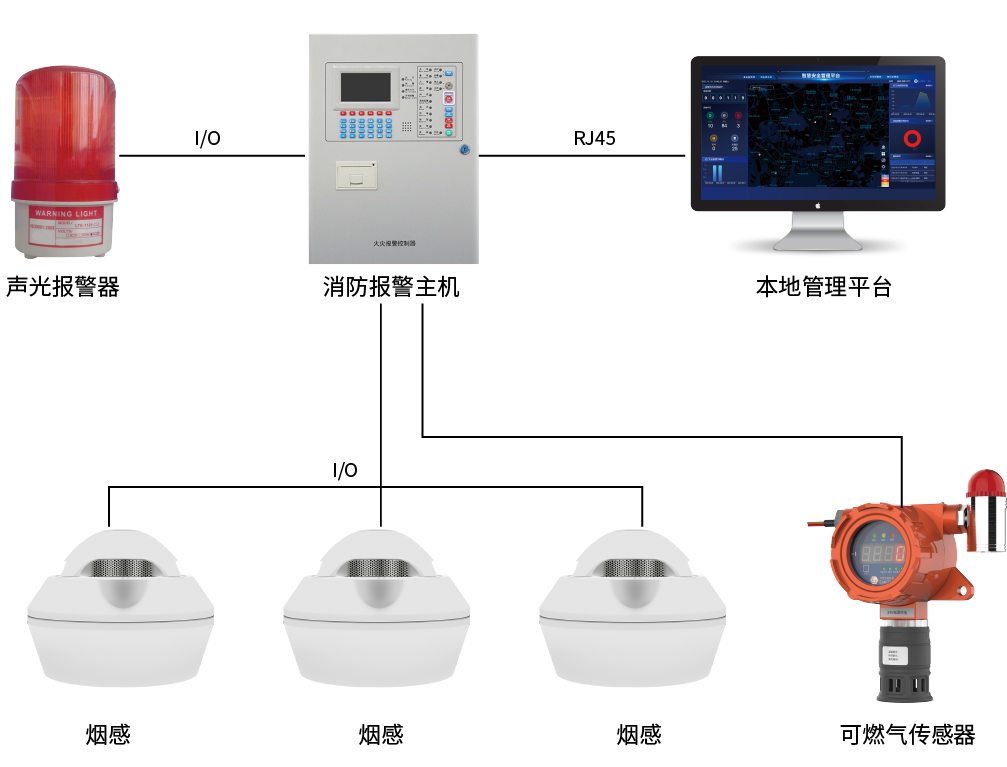
The fire protection system of an electrical energy storage cabinet typically consists of the following major components:
-
Fire detectors: Used to monitor, in real time, data related to battery fires, including at least flammable gas levels and temperature.
-
Fire alarm control panel: As one of the core components of the fire safety system, it manages system interlocks, performs real-time analysis and processing of collected data, and provides communication interfaces.
-
Audible and visual alarm devices: including indoor and outdoor audible and visual alarms, used to promptly emit audible and visual alarm signals in the event of a fire.
-
Gas fire suppression systems, such as the heptafluoropropane system, are used to extinguish fires when they occur.
-
Emergency start switch: Includes a forced‑start button and an emergency stop button, mounted in an easily accessible location for manual operation during emergencies.
-
Station Control Fire Station: Used for centralized management and control of the entire fire protection system.
-
Communication Function: The system shall be capable of real-time communication with the power plant monitoring system, such as uploading operational status and fault alarm signals via the Modbus protocol.
-
Backup Power Supply: The system shall be equipped with a backup power supply to ensure that, in the event of an external power outage, the fire protection system can operate continuously for at least a specified duration.
-
Interconnected Control System: It coordinates with the Battery Management System (BMS), the Power Conversion System (PCS), and the control center of the energy storage power station to enable automated responses for fire early warning and firefighting.
Together, these components comprise the fire protection system of the electrical energy storage cabinet, ensuring that fires are promptly detected and addressed to safeguard personnel and minimize property damage.
2.2 What challenges does the electrical energy storage cabinet face in the area of fire protection?
The fire safety challenges associated with electrical energy storage cabinets primarily encompass the following aspects:
-
Fire hazards of lithium batteries: Lithium batteries are a commonly used energy‑storage medium in energy‑storage cabinets, and their fire risks stem primarily from their internal structure, which is directly linked to their material composition. Under conditions of overheating, overcharging or deep discharging, design flaws, or defects in raw materials—common scenarios of misuse—the internal materials may undergo chemical reactions, leading to thermal runaway and fire.
2. Fire Risks Associated with Electrical Equipment: The energy storage power station system incorporates a large number of auxiliary electrical devices, and their unsafe operation further increases the overall fire hazard of the energy storage system. Electrical fires are primarily caused by factors such as leakage current, short circuits, overloads, and equipment aging, which can generate localized high temperatures and ignite flammable materials within the electrical equipment.
3. Limitations of Fire Detection and Early Warning Systems: Conventional fire detection and early warning systems may fail to detect lithium‑battery thermal runaway promptly and accurately. Since lithium batteries can release flammable gases during thermal runaway, more sensitive combustible‑gas detectors are required to detect fires in a timely manner.
4. Challenges of Fire Suppression Systems: Lithium‑battery fires differ significantly from conventional fires. As energy‑dense accumulators, they can readily trigger a chain reaction of thermal runaway, leading to the ignition and explosion of adjacent cells. Moreover, during spontaneous combustion, lithium batteries release oxygen, increasing the risk of re‑ignition—both of which place heightened demands on fire‑suppression systems.
5. Fire‑extinguishing difficulty at the PACK level: The ignition source of lithium‑ion batteries is typically located within the PACK itself; by the time the fire‑detection system registers an alarm, the fire has often already reached a significant scale. Containing the fire at the PACK level is a critical step in ensuring the overall safety of the energy‑storage system, but achieving this requires highly accurate detection sensors and tailored design solutions.
6. Fire Safety Management and Emergency Response Capabilities: Energy storage stations must designate a fire safety officer and a fire safety manager, who shall fulfill their fire safety management duties, conduct regular fire inspections, fire patrols, and maintenance of fire-fighting equipment. In addition, personnel training must be strengthened to ensure that staff are familiar with the thermal runaway and fire characteristics of the station’s batteries, and that they have mastered the operating procedures for fire-fighting facilities and equipment as well as emergency response protocols.
7. Standards, Specifications, and Regulatory Requirements: As the energy storage industry continues to evolve, existing fire safety standards and regulatory requirements may need to be updated and refined to accommodate new technologies and emerging application scenarios. For example, Beijing’s standard “Code for Construction and Operation of Power Energy Storage Systems” explicitly sets forth various fire‑protection requirements, such as stipulating that the fire resistance rating of energy storage station buildings shall not be lower than Grade II, and that energy storage systems classified as Class A or Class B in terms of fire hazard must be equipped with independent emergency ventilation systems.
In summary, the fire‑safety challenges associated with electrical energy storage cabinets encompass multiple aspects, including fire detection, early warning, fire suppression, safety management, personnel training, and compliance with relevant standards and regulations, all of which require comprehensive consideration and resolution.
For the fire‑prevention scheme targeting new‑energy battery warehouses, the approach focuses on three key indicators: odor, color, and particulate matter. Before a lithium‑battery fire breaks out, the temperature rises, an unusual odor develops, and smoke begins to emerge—these are early warning signs.
The following schemes each address these specific fire scenarios by employing corresponding technologies for pre‑fire detection. This paper primarily examines the roles of PID, particulate matter sensing, and AI‑based fire early warning in fire‑prevention systems. Below is a schematic diagram of conventional fire‑protection systems:
2.3 Smart Power Storage Cabinet Fire Protection System
2.3.1 Fire Hazards in Energy Storage Cabinets
The energy storage modules used in power‑storage cabinets employ lithium batteries. A lithium battery is an electrochemical device that contains lithium—whether in the form of metallic lithium, lithium alloys, or lithium ions and lithium polymers. During operation, such batteries may exhibit leakage, rusting, or swelling. In addition to the normal charge–discharge reactions, lithium batteries are prone to various side reactions that generate heat. When the rate of heat generation exceeds the rate of heat dissipation, the battery temperature rises, leading to further heat and gas production. The battery then enters a self‑heating state, releasing gases and emitting unpleasant odors, followed by smoke emission, which can escalate into combustion and even explosion.
Since the electrolyte consists primarily of various organic compounds, it becomes highly reactive as the battery temperature rises and readily volatilizes. According to the aging mechanisms of lithium batteries, failure typically begins with a rise in temperature accompanied by gas evolution.
There is a risk of fire‑extinguishing agent leakage, and once the agent has leaked out, it may not be detected promptly.
Power storage cabinets handle substantial amounts of energy, and certain critical components are prone to significant temperature rises. Excessively high temperatures can pose a fire risk to lithium‑ion battery packs.
2.3.2 Fire Protection System for Smart Power Energy Storage Cabinets
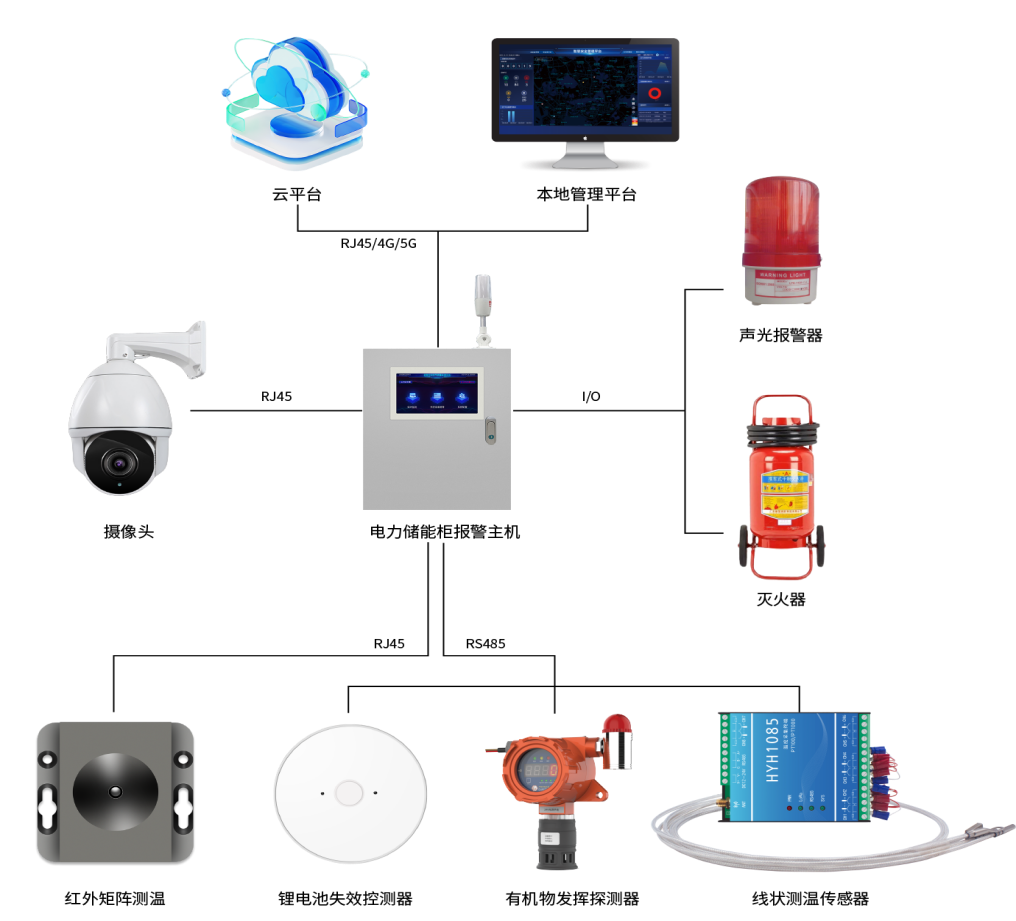
Our company has developed an intelligent fire‑protection system for power‑storage cabinets. Building on conventional fire‑protection systems, we have designed a range of advanced front‑end fire detectors tailored to the specific characteristics of these cabinets and integrated IoT technology into their fire‑protection architecture.
In the realm of front-end sensor detection, our company has developed lithium‑battery leakage sensors, infrared matrix sensors, volatile organic compound (VOC) detectors, and linear temperature‑sensing probes. When these sensors detect signs of a lithium‑battery fire or an abnormal temperature rise, they transmit the information via I/O or RS‑485 to the power‑storage cabinet’s alarm host. The alarm host, employing advanced algorithms, identifies symptoms indicative of a lithium‑battery fire and, through I/O, activates the perfluorohexanone fire‑extinguishing agent while simultaneously reporting the fire condition over Ethernet and via 4G/5G networks.
2.4 Introduction to Sensors in the Smart Power Storage Fire Protection System
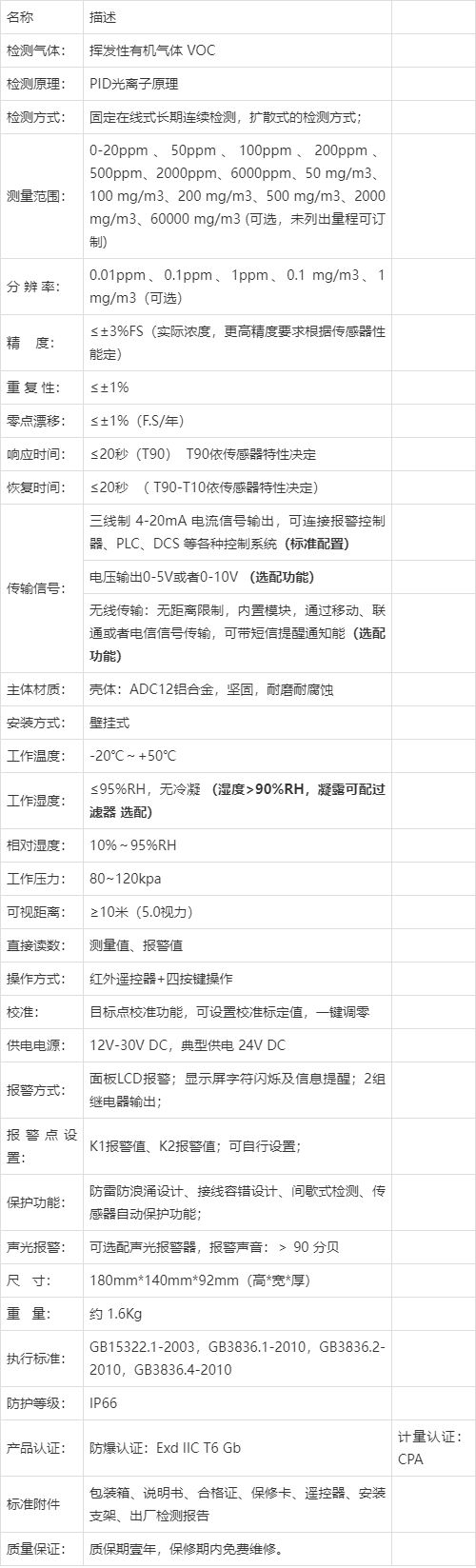
2.4.1 PID Organic Volatile Compound Gas Detector
Lithium batteries are electrochemical devices that contain lithium—whether in the form of metallic lithium, lithium alloys, or lithium ions and lithium polymers. When stored in warehouses, these batteries may experience leakage, rusting, or swelling. In addition to the normal charge–discharge reactions, lithium batteries can undergo various side reactions that generate heat. If the rate of heat generation exceeds the rate of heat dissipation, the battery temperature rises, leading to further heat and gas production. The battery then enters a self‑heating state, releasing gases and emitting an unpleasant odor, followed by smoke, and ultimately resulting in combustion or even explosion.
Since the electrolyte consists primarily of various organic compounds, it becomes highly reactive as the battery temperature rises and readily volatilizes. According to the aging mechanisms of lithium batteries, failure typically begins with a temperature increase accompanied by gas evolution; employing a PID‑based gas detector enables early warning.
PID‑based gas detectors exhibit highly sensitive responses to a wide range of gases, providing immediate alerts when gas emissions occur. The detector triggers audible and visual alarms, and the data is transmitted to an early‑warning cloud platform.
Advantages of PID‑based gas detectors compared with other monitoring methods:
-
It employs industrial-grade imported sensors with high sensitivity, enabling real-time monitoring and early warning.
-
High precision, fast response, intelligent sensor, modular design, easy replacement, and no on-site calibration required.
-
Easy to install, easy to deploy, and easy to maintain.
2.4.2 Lithium Battery Failure Detector
-
Background
Before a lithium‑battery fire breaks out, it emits smoke that gradually thickens from light to dense, eventually leading to ignition. During fire‑testing, a smoke detector is placed on the floor; as soon as smoke begins to form, the detector triggers an alarm.
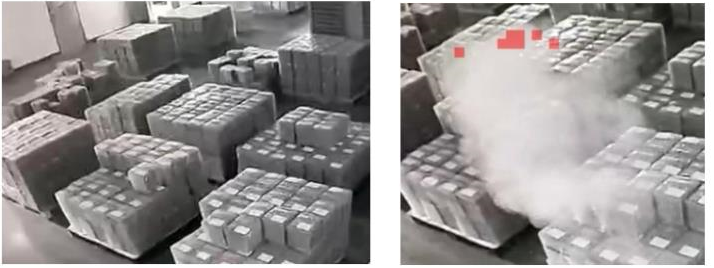
In this scenario, smoke detectors and particulate matter sensors can be used. The functions of these two types of sensors are described below.
-
Functionality
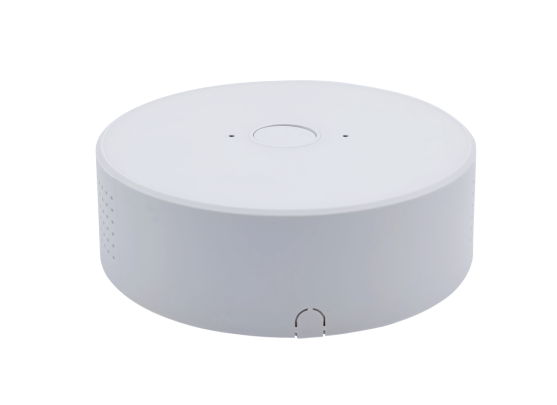
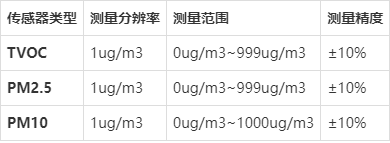
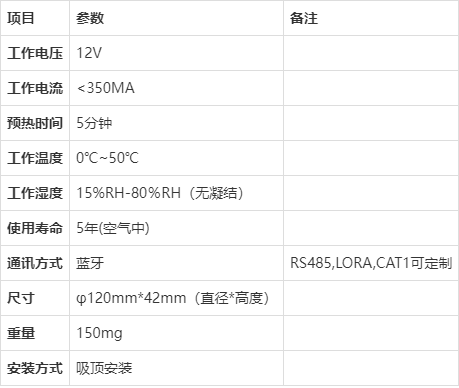
The multi‑functional particulate matter alarm is designed by our company to monitor PM2.5, PM10, TVOC, and formaldehyde levels in the environment, providing real-time measurement of these air quality parameters indoors. It utilizes wireless LoRa and CAT1 connectivity to transmit alarm data to a cloud platform.
It can be installed at the base of the warehouse. When lithium batteries begin to emit particulates or off‑gases, the multi‑parameter sensors will detect increases in PM2.5, PM10, TVOCs, and formaldehyde levels. We simply set alarm thresholds for these parameters; once any of them exceed the preset limits, an alarm is triggered.
Below are the product images and specifications:
-
Image
-
Parameter
2.4.3 Infrared Matrix Temperature Measurement
-
Functionality
-
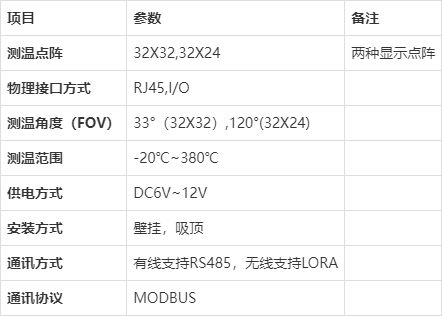
The infrared thermal‑array alarm employs multi‑point infrared sensors; by aligning the sensing element with the target object, it can measure the temperature of a single surface in real time, effectively functioning as a compact thermal imager. The sensor’s detection range spans 0 cm to 500 cm. It can be mounted on heat‑generating components within energy‑storage cabinets and offers rapid temperature measurement with high data accuracy.
-
Image

-
Parameter
Below are the parameters of the infrared thermopile:
2.5 Power Energy Storage Cabinet Alarm Host
-
Functionality
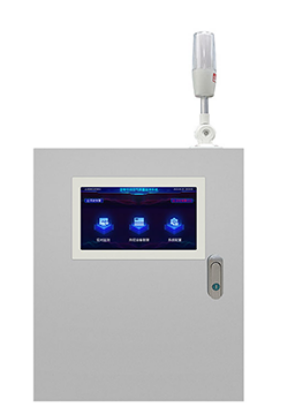
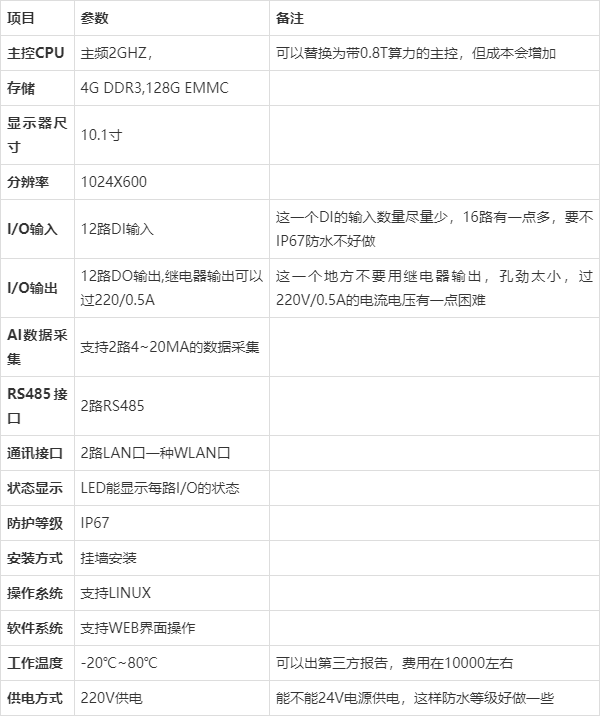
The power‑storage cabinet alarm host is designed to detect potential fire hazards within the entire power‑storage cabinet. It integrates a GPU with computational capabilities and can use sensors and visual data to identify early signs of fire. When a fire risk is detected, the alarm host transmits an alert to the cloud platform or management system via RJ45, 4G, or 5G, while simultaneously activating the fire‑extinguishing agent to initiate suppression.
-
Product image
-
Product Specifications
2.6 Smart Power Energy Storage Supervision Platform
The platform adopts a B/S system architecture and is divided into three layers. The first layer is the data acquisition layer, where devices in this area collect and transmit data via communication interfaces and protocols, storing monitoring‑device data on a TCP server and video resources on a cloud server. The second layer is the data transmission layer: data from fire‑alarm and monitoring devices is transmitted wirelessly over GPRS/3G/4G networks, while video streams are sent either through a wireless data card or via a wired network. The third layer is the data presentation layer, which, through the platform’s monitoring software, provides graphical visualizations to display system operating data. In addition to visualization, the platform supports fault‑information collection, fault reproduction, live on‑site video streaming, coordinated operation of treatment equipment, scheduling of remediation tasks, and big‑data analysis of pollutant trends, among other functions.
2.6.1 Video Surveillance Module
-
Device Management

-
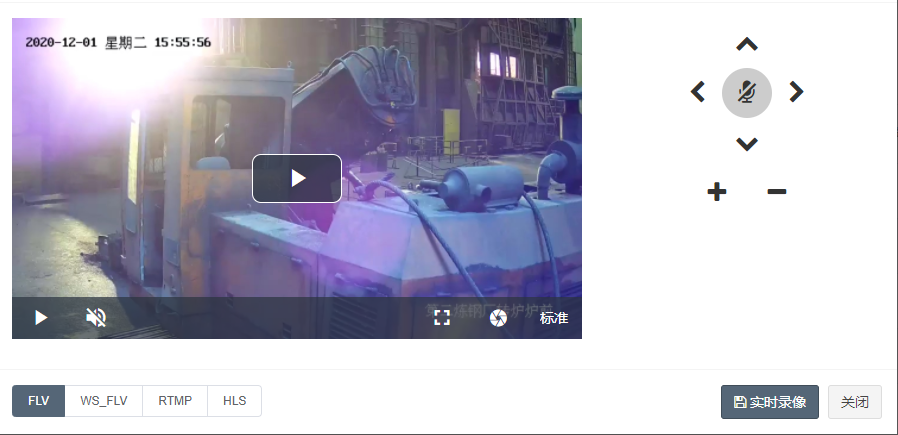
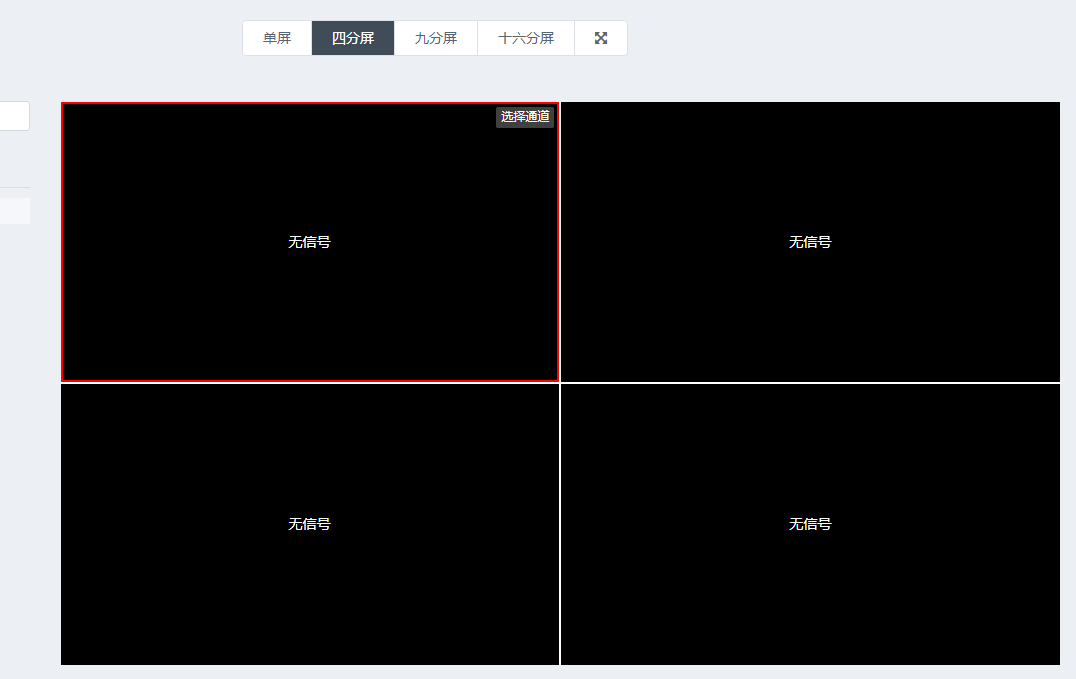
Real-time monitoring
Supports PTZ control, real-time recording, and playback in multiple video formats including FLV, WS_FLV, RTMP, and HLS.
-
Split-screen playback
2.6.2 Equipment Management Module
-
Device Information

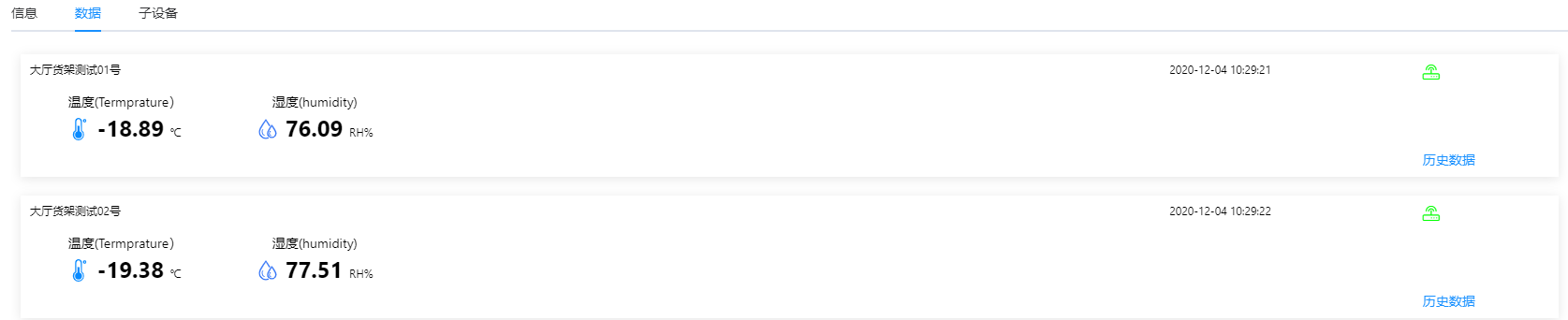
-
Real-time data
-
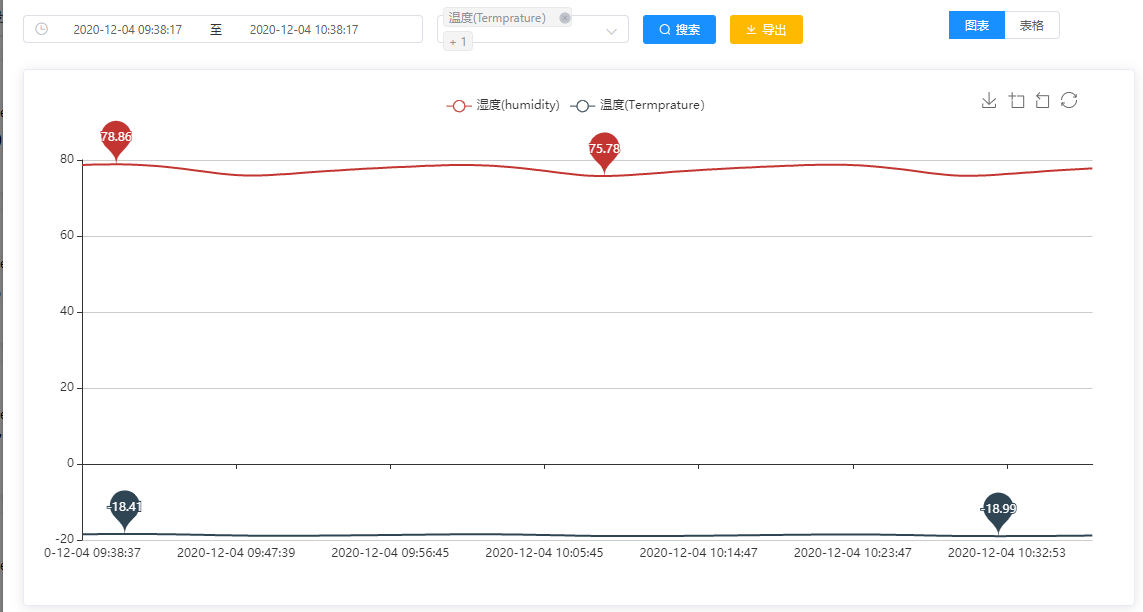
Historical data
Various data visualization options, including tables and charts; export to Excel; download charts.
2.6.3 Alarm Module
-
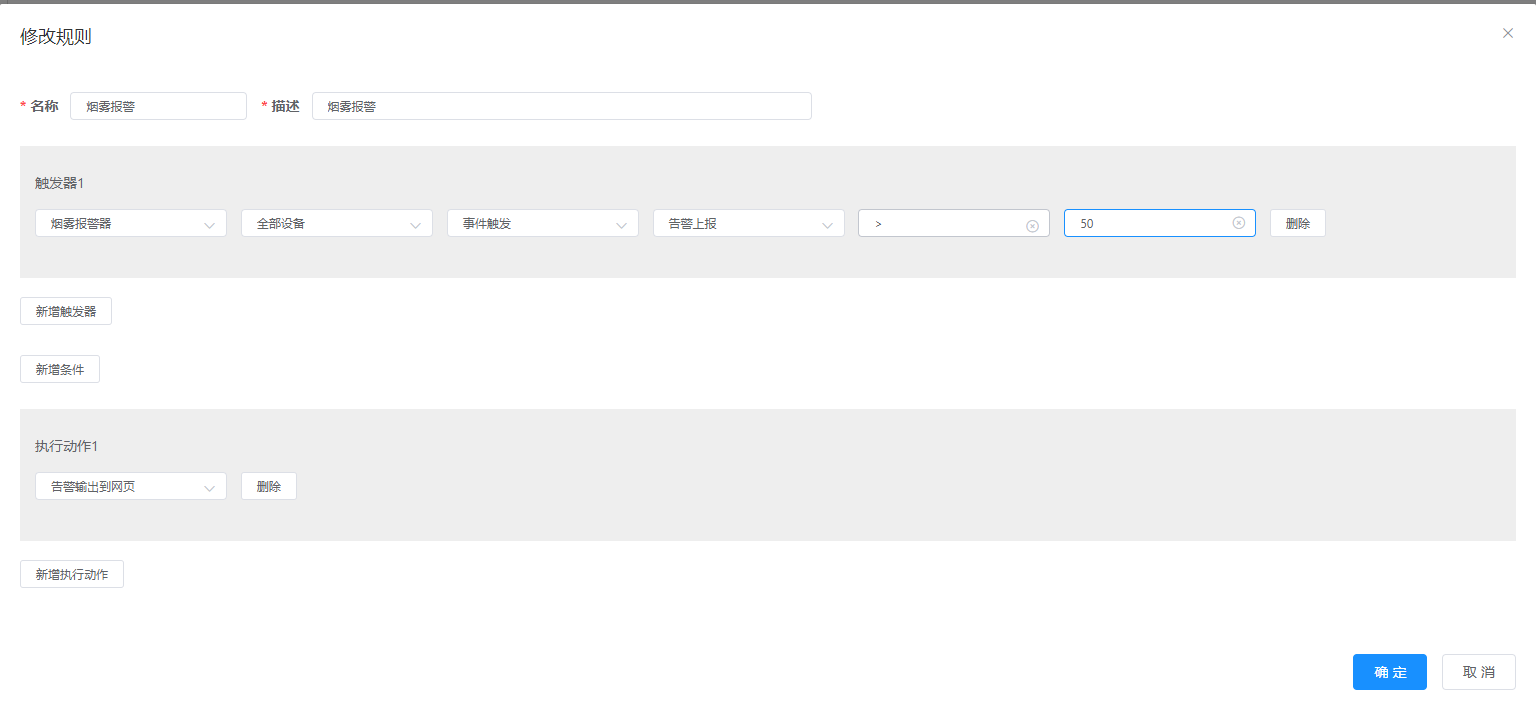
Alert Scenario Trigger Rule Configuration
You can add multiple triggers to activate alerts and configure trigger conditions.
-
Alert Center
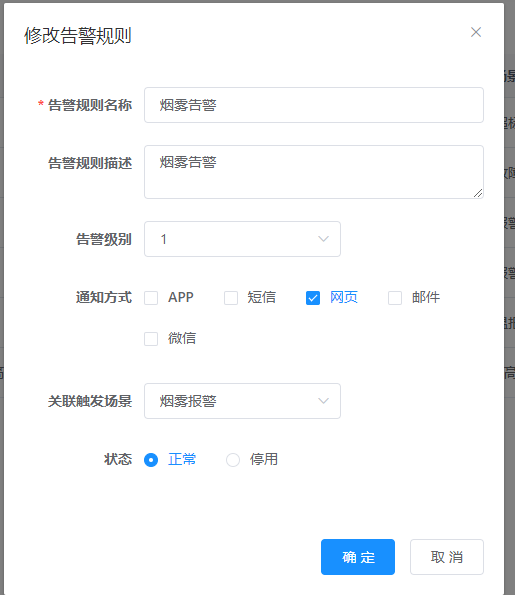
Add or modify alert rules, supporting alert delivery via app, SMS, web pages, email, and other channels.
-
Alert Log

2.6.4 Permission Module
-
User Management
-
Role Management
-
Department Management
III. Systemic Advantages
Our company’s smart power‑storage cabinet offers the following advantages over conventional fire‑protection systems:


MORE NEWS
Contact Us
Tel:+86-189-23711266 400-1273-421
E-mail:liulin@rf-md.com
Shenzhen office: 506-509, zone 1, block B, Huayuan science and Technology Innovation Park, No. 168, Baoyuan Road, Xixiang, Bao'an District, Shenzhen
Changsha Branch: 21d, building F4, Lugu enterprise Plaza, No. 27, Wenxuan Road, Yuelu District, Changsha

Follow us
-

E-mail:
yangyalan@rf-md.com
-

Tel:
+86-755-23284193
-
