
Why is the LoRa water meter solution said to be fully capable of replacing traditional water meters?
Release time:
2024-01-16
In the urban water supply sector, accurate metering and remote management have long been key priorities. While conventional water meters can perform basic measurement functions, they fall short in real-time monitoring, data collection, and intelligent management. The emergence of LoRa‑based water meter solutions has ushered in a new era for the industry. This paper focuses on comparing LoRa water meter solutions with traditional meters and explains why LoRa meters are fully capable of replacing their conventional counterparts.
I. Advantages of the LoRa Water Meter Solution
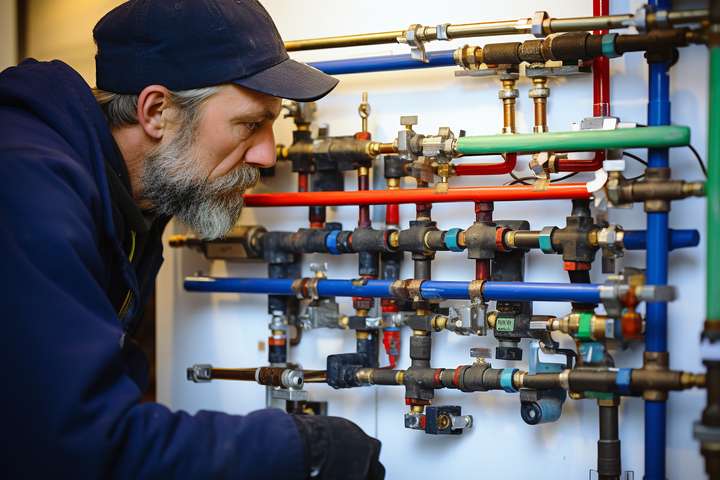
LoRa water meters leverage LoRa wireless communication technology, offering advantages such as long-range connectivity, low power consumption, and strong anti-interference capabilities, thereby enabling remote management and intelligent control. Compared with traditional water meters, LoRa water meters boast the following notable benefits:
1. Remote Monitoring and Management
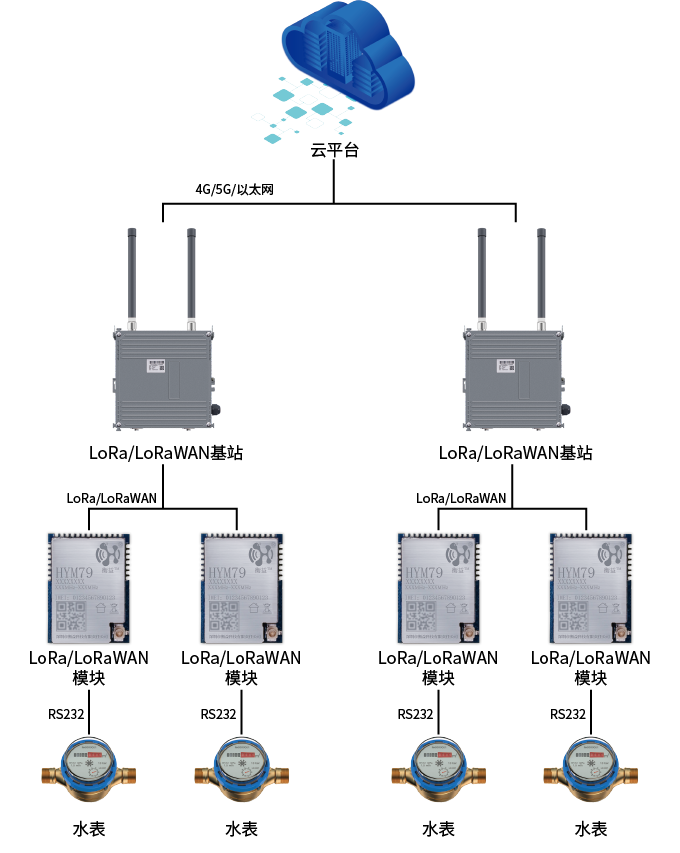
LoRa water meters, leveraging LoRa wireless communication technology, enable remote monitoring and management. Administrators can use smart terminals or computers to view real-time data such as meter readings, flow rates, and pressure, and promptly address any anomalies, significantly enhancing operational efficiency.
2. Intelligent Data Analytics
LoRa water meters offer high‑precision, highly stable data collection, delivering detailed and accurate water‑consumption readings. With intelligent data analytics, businesses can gain deeper insights into water usage, forecast future demand, and optimize their water‑supply plans.
3. Low-Power Design
The low-power design of LoRa water meters significantly extends battery life, reducing maintenance costs associated with battery replacement. Additionally, these meters leverage wireless communication technology, eliminating issues caused by aging or damage to wiring.
4. Strong anti-interference capability
LoRa water meters exhibit strong anti‑interference capabilities, resisting interference from other wireless signals and ensuring the accuracy and stability of data collection. Moreover, they offer robust waterproof and dustproof performance, enabling reliable operation in a wide range of harsh environments.
II. Limitations of Traditional Water Meters
Traditional water meters are typically mechanical or electronic. While they can perform basic metering functions, they exhibit the following limitations in practical applications:
1. Remote monitoring and management cannot be implemented.
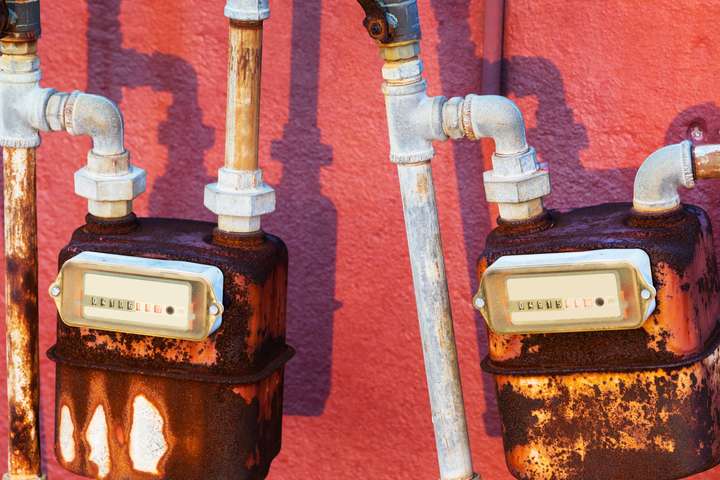
Traditional water meters require manual on-site readings and data collection, resulting in low management efficiency. For large-scale water supply systems, substantial human and material resources must be allocated to inspection and maintenance.

2. Insufficient data acquisition accuracy and stability
The data acquisition accuracy and stability of conventional water meters are difficult to ensure, particularly under conditions of high or low water consumption. Moreover, these meters cannot perform effective data analysis, making it challenging to meet the demands of the modern water supply industry.
3. High maintenance costs
Traditional water meters have limited battery life, requiring periodic battery replacements. Moreover, their mechanical components are prone to wear and tear, necessitating regular maintenance and part replacements. All of these factors increase the operational costs for water utilities.
4. Unable to achieve intelligent management
Conventional water meters cannot connect to smart terminals or computers, precluding intelligent management. As a result, water utilities struggle to achieve unified control and dispatch across the entire water supply system, hindering improvements in operational efficiency and management standards.
III. Practical Applications and Future Prospects of LoRa Water Meter Solutions
As IoT technology continues to evolve, an increasing number of water utilities are adopting LoRa‑based smart water meter solutions. In real-world deployments, these LoRa meters have demonstrated significant advantages and considerable potential:
1. Examples of Practical Applications
A municipal water utility has deployed LoRa‑enabled smart water meters to measure and monitor water consumption across the entire city. Using smart terminals and computers, operators can access real-time water‑use data for each district and individual customer, promptly identifying and addressing anomalies. Meanwhile, advanced data analytics enable the company to more accurately forecast future water demand and optimize its supply‑planning processes. This approach not only enhances operational efficiency and management capabilities but also delivers significant cost savings.
2. Future Outlook
As IoT technology continues to evolve and gain widespread adoption, LoRa‑based water meter solutions will see even broader application in the water supply industry. Looking ahead, we can anticipate:
(1) Comprehensive Intelligent Management: By connecting to smart terminals and computers, water supply enterprises can achieve end-to-end management of the entire water distribution system. This not only enhances management efficiency and the efficiency of water resource utilization but also provides enterprises with greater opportunities for optimization and improvement.
(2) Personalized Services: By leveraging intelligent analytics of water‑usage data, companies can gain deeper insights into customers’ consumption patterns and needs, enabling them to deliver more tailored, customer‑centric services. This approach helps boost customer satisfaction and loyalty, thereby strengthening the company’s market competitiveness.


MORE NEWS
Contact Us
Tel:+86-189-23711266 400-1273-421
E-mail:liulin@rf-md.com
Shenzhen office: 506-509, zone 1, block B, Huayuan science and Technology Innovation Park, No. 168, Baoyuan Road, Xixiang, Bao'an District, Shenzhen
Changsha Branch: 21d, building F4, Lugu enterprise Plaza, No. 27, Wenxuan Road, Yuelu District, Changsha

Follow us
-

E-mail:
yangyalan@rf-md.com
-

Tel:
+86-755-23284193
-
