

Selection and Support

As industrial automation and intelligent management become increasingly widespread, accurately monitoring the storage levels of various media within containers has become critically important. Whether in the petrochemical, food and beverage, water treatment and environmental protection, or modern agricultural sectors, continuous and reliable level (liquid or solid) measurement in tanks, reservoirs, silos, and other facilities is indispensable. In response to the diverse characteristics of media and specific process requirements, corresponding monitoring technologies and equipment have evolved and been refined accordingly.
2025/10/22

How can the liquid level height in industrial tanks be transmitted wirelessly over long distances?
In modern industrial management, centralized monitoring of widely dispersed tank levels is a critical requirement. Traditional manual inspections or wired transmission methods are not only inefficient but also face significant challenges—such as difficult wiring and high costs—in complex operating environments. Millimeter-wave radar level transmitters, based on 79–81 GHz frequency-modulated continuous-wave technology and incorporating advanced wireless communication capabilities, offer an ideal solution to this need.
2025/10/20

In the field of industrial equipment monitoring, temperature measurement is a critical component for ensuring stable system operation. With advances in technology, wireless temperature sensors and traditional wired temperature‑measurement solutions have emerged as the two dominant options. By objectively comparing their characteristics across key dimensions—such as technical principles, installation costs, environmental adaptability, data reliability, and full‑lifecycle management—we provide a reference framework to support scenario‑specific selection.
2025/10/15

This article reveals the various applications of sensors in smart homes.
Smart home sensor systems precisely monitor both the environment and human presence, turning your home into a truly “thinking” space. Door sensors and motion detectors form a robust security barrier; temperature, humidity, and air-quality sensors automatically optimize indoor comfort; and occupancy sensors ensure lights turn on when someone enters and off when they leave. With seamless integration across all devices, these systems create an automated living environment that anticipates your needs and proactively safeguards your well-being, enhancing your home’s safety, comfort, and energy efficiency.
2025/10/14
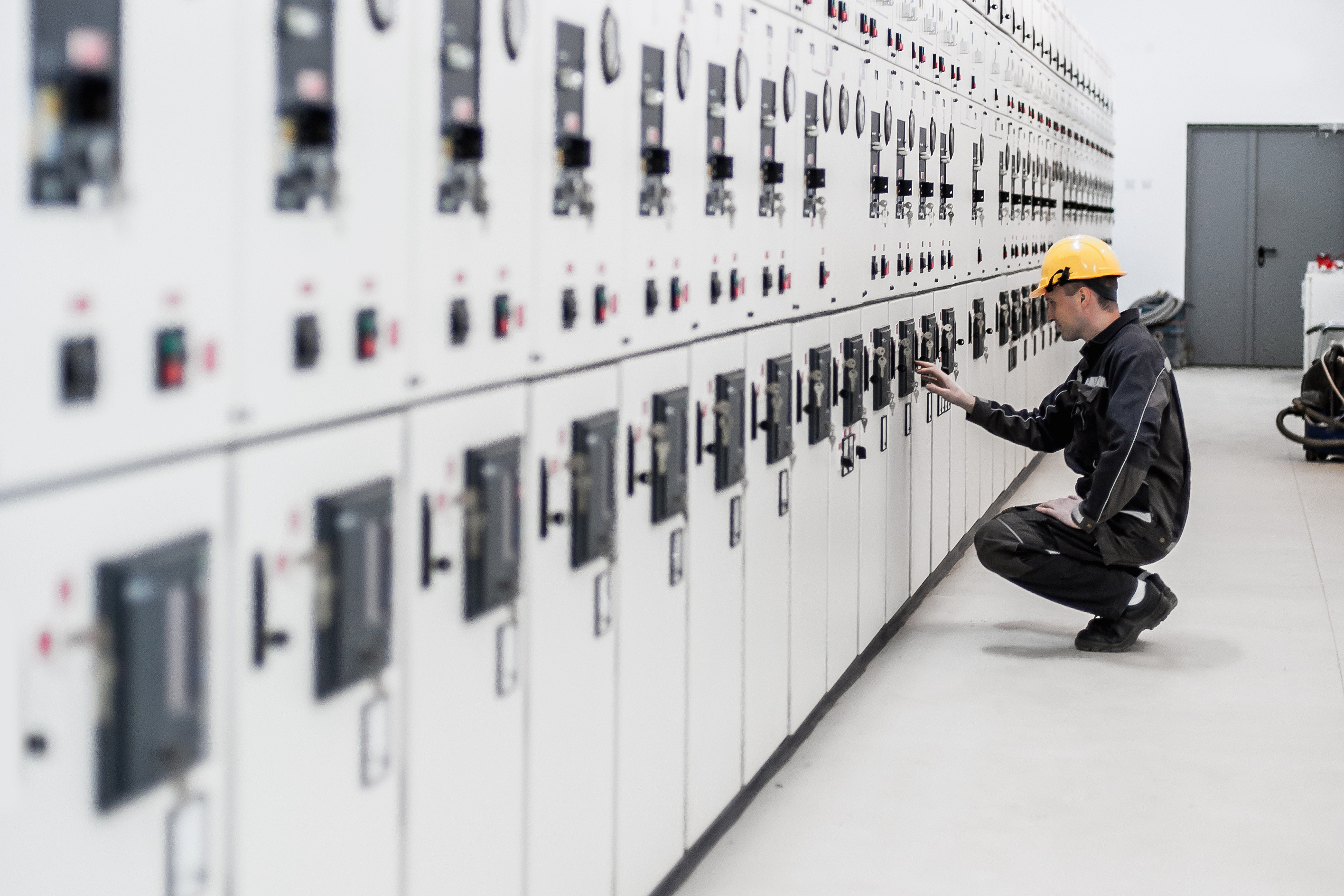
As the level of intelligence in power systems continues to rise, distribution cabinets and switchgear—key nodes for power transmission, distribution, and control—require particularly robust real-time monitoring of their operational status. Temperature is a critical parameter for assessing equipment health; excessively high temperatures not only accelerate equipment aging but can also lead to serious incidents such as short circuits and fires. Wireless temperature‑monitoring devices, as an advanced monitoring solution, are increasingly becoming indispensable tools for ensuring the safe and stable operation of distribution systems.
2025/10/13
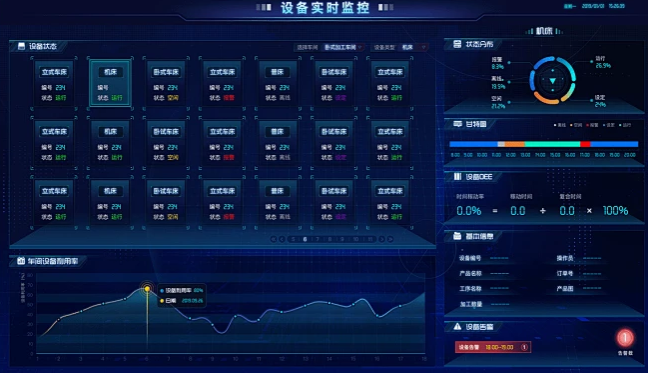
In the industrial manufacturing sector, production workshops are typically spacious, with equipment distributed across wide areas. The temperature of components such as distribution cabinets, motor bearings, and critical nodes along production lines directly impacts both operational safety and equipment lifespan. Conventional temperature‑monitoring methods rely on manual inspections, which are not only inefficient and fail to promptly detect hidden thermal hazards, but also cannot provide continuous data recording or centralized analysis.
2025/10/11
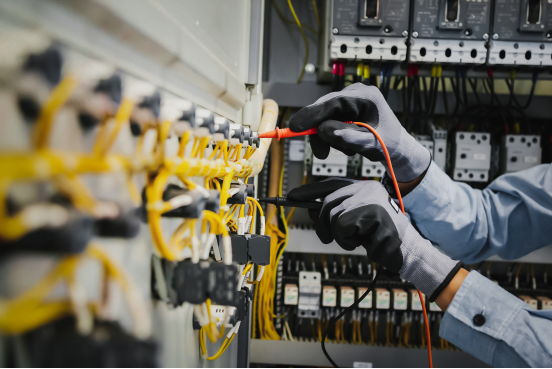
In power system operations, maintaining stable temperatures in distribution cabinets and cables is essential for ensuring equipment safety. Traditional temperature‑monitoring methods are often hampered by complex wiring and data‑latency issues, making it difficult to prevent overheating faults in real time. By contrast, wireless temperature sensors—featuring real-time monitoring, long‑term data storage, and intelligent interconnection—have become indispensable tools for measuring temperatures in distribution cabinets and cables. They not only mitigate safety risks at the source but also significantly enhance operational efficiency, redefining the standards of safety and efficiency in temperature‑monitoring applications.
2025/10/11
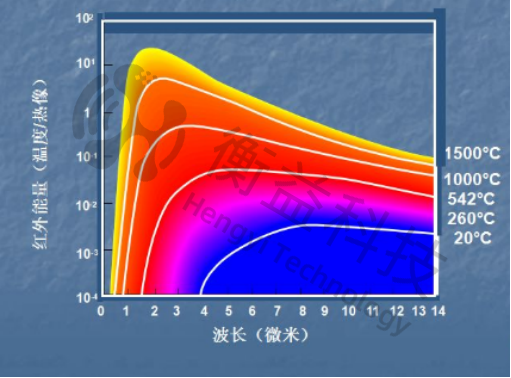
This paper explores the significance and applications of thermal imaging temperature‑measurement systems in epidemic prevention and control, examining both the conveniences they offer and the challenges they pose.
2025/10/04
Contact Us
Tel:+86-189-23711266 400-1273-421
E-mail:liulin@rf-md.com
Shenzhen office: 506-509, zone 1, block B, Huayuan science and Technology Innovation Park, No. 168, Baoyuan Road, Xixiang, Bao'an District, Shenzhen
Changsha Branch: 21d, building F4, Lugu enterprise Plaza, No. 27, Wenxuan Road, Yuelu District, Changsha

Follow us
-

E-mail:
yangyalan@rf-md.com
-

Tel:
+86-755-23284193
-
