

Selection and Support

Core control for high-precision temperature monitoring using PT100 temperature sensors
The PT100 is a resistance‑type temperature sensor designed based on the electrical resistance characteristics of platinum. Its fundamental principle is that the resistance of platinum varies linearly with temperature: as temperature rises, the resistance increases proportionally. By measuring this change in resistance, the temperature can be accurately determined. This property enables the PT100 to deliver stable performance across a wide measurement range from −200°C to +850°C, with an accuracy of up to ±0.1°C (Class A).
2025/03/11

This article explains why LoRaWAN frequencies and channels vary across countries and regions.
Why do LoRaWAN frequencies and channels differ? 1. Spectrum management regulations 2. Technical optimization requirements 3. Historical and industrial factors 4. Avoiding international interference Neighboring countries may negotiate to stagger their frequency bands (e.g., AS923-1 and AS923-3) to prevent cross-border signal interference.
2025/03/13

Core Configuration of China’s Private LoRaWAN Network
The core configuration of China’s LoRaWAN private network is designed for low‑rate, long‑battery‑life IoT applications such as environmental monitoring and asset tracking. Its key design features include: - Unlicensed spectrum: No license required, making it ideal for enterprise‑built networks. - Spread‑spectrum anti‑interference: With a 125 kHz bandwidth and CSS modulation, it offers strong penetration and a coverage range of 10–15 kilometers. - Flexible networking: Supports star and mesh topologies, with gateways capable of demodulating up to eight concurrent channels (e.g., using the SX1301 chip).
2025/03/18

New Arrival – Multi-Point Infrared Thermometer
With the intelligent upgrading of power systems, the need for safety monitoring of distribution cabinets is becoming increasingly urgent. Traditional manual inspections rely on specialized personnel to open cabinets for testing, which is inefficient, costly, and often fails to promptly detect localized overheating risks caused by poor contact or overload, posing a significant fire hazard. In response, our company’s R&D team has focused on infrared sensing and IoT technologies to develop the HYT80 multi-point infrared thermometer. Featuring an 80×62 high‑precision infrared pixel array, this device delivers wide‑range temperature measurement from –20°C to 400°C with an accuracy of ±0.25°C. Coupled with multiple field‑of‑view options (45°/90°/105°) and MODBUS protocol compatibility, it enables non‑contact, real‑time monitoring of temperature changes inside distribution cabinets. By transmitting data over networks and leveraging big‑data analytics, it can proactively identify potential risks, providing an efficient, low‑cost, intelligent solution for power‑system safety.
2025/03/25

Wireless Plug-in Thermometer — A Smart Monitoring Solution for Precise Temperature Measurement
Wireless plug‑in temperature meter—a smart temperature‑monitoring device specially designed to prevent mold. No cumbersome wiring required; simply plug in and use, streamlining installation and enhancing ease of operation. Equipped with a high‑precision built‑in temperature sensor, it delivers rapid response and accurate readings, providing comprehensive temperature monitoring for your products.
2025/04/09
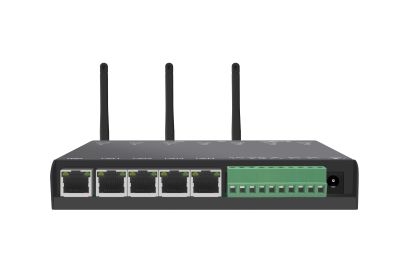
In traditional industries such as tobacco leaf aging, tea fermentation, and grain storage, the accuracy and efficiency of temperature monitoring directly impact product quality and production safety. Faced with challenges like bulky material piles, complex environments, and numerous monitoring blind spots, conventional multi-point deployment not only entails high costs but also struggles to meet real-time control requirements due to fragmented data and cumbersome operations. The wireless insertable temperature‑monitoring system breaks new ground through technological innovation; our company has adopted a “single probe, three‑layer temperature measurement” design that integrates multi‑point monitoring into a single solution, addressing the industry’s most pressing pain points.
2025/05/19

In industrial settings, numerous liquid tanks like the one shown above require real-time level monitoring. Millimeter-wave radar sensors offer a non-contact, zero‑contamination, fast, and convenient solution, making them ideal for monitoring closed vessels in industries such as chemical processing and food manufacturing, where they can easily measure the liquid height inside the tank. At the heart of this wireless level‑monitoring system lies 60 GHz millimeter‑wave radar technology. By combining non‑contact, high‑precision measurement (±1 mm) with multi‑mode wireless communication (LoRa/4G/WiFi), it seamlessly adapts to complex environments—such as dust‑filled industrial silos, river‑water level sensing amid aquatic vegetation, and sealed, high‑risk liquid storage containers—enabling all‑weather, low‑maintenance level monitoring. From boosting production efficiency to ensuring public safety, this innovative system is driving level monitoring toward an intelligent, highly efficient future.
2025/05/21
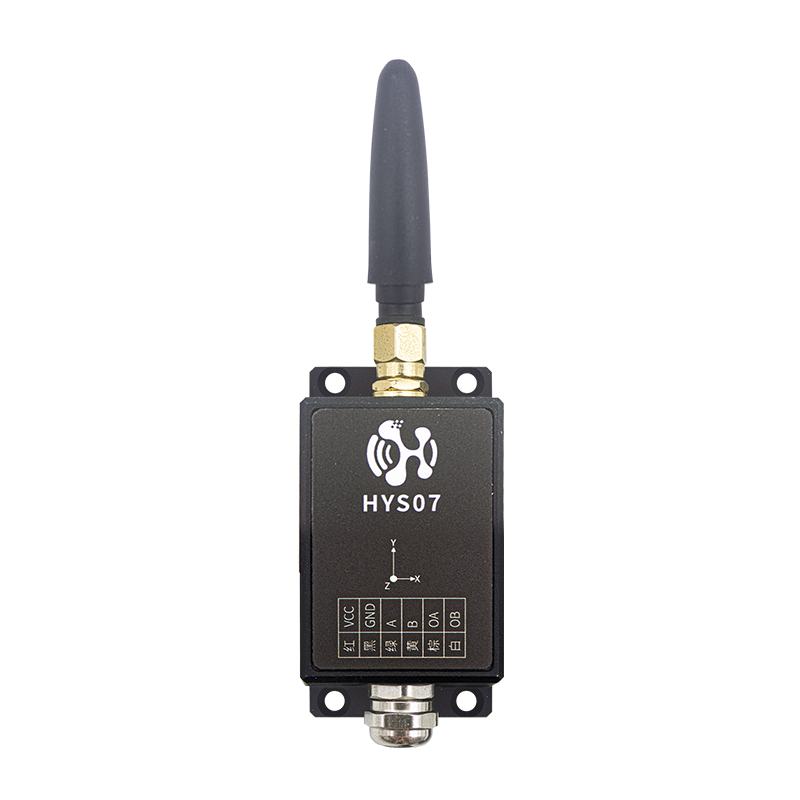
Centered on inclinometers and millimeter-wave radar level gauges, and leveraging a multi-sensor network coupled with an AI‑powered cloud platform, the system delivers millimeter‑level precision in monitoring dam inclination, water levels, and deformation. It supports dynamic correlation analysis between inclination and water level, three‑dimensional digital twin modeling, and edge‑computing‑based early warning, covering applications such as earth‑rockfill dams, arch dams, and reservoir‑area slopes. By reducing reliance on manual inspection and enhancing safety‑control capabilities, it provides intelligent, full‑lifecycle support for hydraulic engineering projects.
2025/06/13
Contact Us
Tel:+86-189-23711266 400-1273-421
E-mail:liulin@rf-md.com
Shenzhen office: 506-509, zone 1, block B, Huayuan science and Technology Innovation Park, No. 168, Baoyuan Road, Xixiang, Bao'an District, Shenzhen
Changsha Branch: 21d, building F4, Lugu enterprise Plaza, No. 27, Wenxuan Road, Yuelu District, Changsha

Follow us
-

E-mail:
yangyalan@rf-md.com
-

Tel:
+86-755-23284193
-
