

Selection and Support
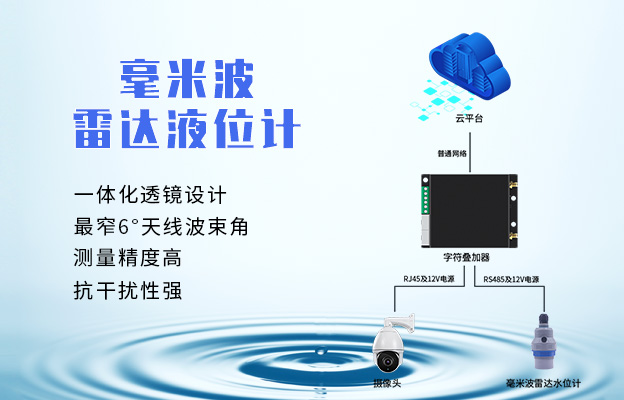
How does a millimeter-wave radar level gauge enable remote water-level monitoring?
As a high-precision, non-contact water-level monitoring device, millimeter-wave radar level gauges are increasingly becoming a critical tool in smart water management, environmental monitoring, and other fields. Leveraging advanced frequency-modulated continuous-wave (FMCW) technology, they deliver measurement accuracy of ±5 mm and support multiple remote communication protocols, enabling users to monitor water-level fluctuations in real time and with high efficiency, thereby enhancing operational effectiveness and response speed.
2025/09/13
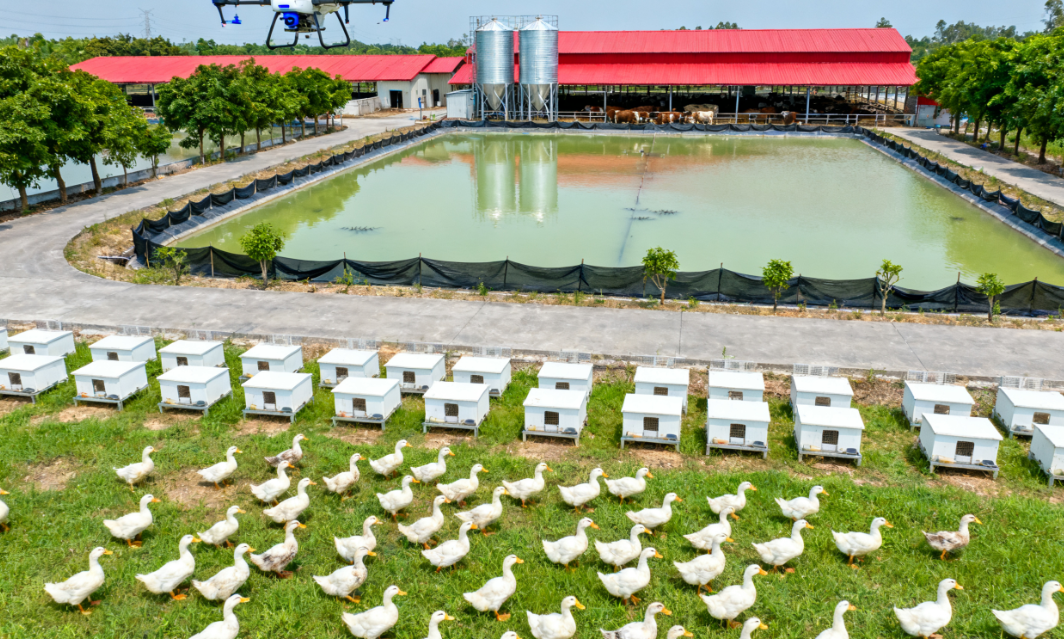
Why can’t agricultural farming do without temperature and humidity sensors?
In modern agricultural animal husbandry, environmental control is a critical factor influencing both production efficiency and animal health. Temperature and humidity, as core environmental parameters, directly affect the growth, immune function, and reproductive performance of plants and animals. With the advancement of smart sensing technologies, temperature and humidity sensors are increasingly becoming indispensable tools in agricultural farming, providing robust data support for precision management and sustainable development.
2025/09/11

How do temperature and humidity sensors safeguard industrial manufacturing?
In industries such as manufacturing, agricultural farming, warehousing and logistics, and even cultural heritage preservation, precise monitoring of ambient temperature and humidity is essential for ensuring quality and safety. As silent guardians, how do temperature and humidity sensors, by delivering stable and reliable data acquisition, lay a solid foundation for the refined and intelligent management of modern industrial production?
2025/09/10

Ensuring indoor lighting compliance is a critical prerequisite for safeguarding public health and maintaining orderly operations. Whether in everyday living, public spaces, or specialized professional settings, inadequate lighting can give rise to a host of problems. Light‑UV monitoring, as a key tool for verifying indoor lighting compliance, provides precise data to support diverse applications. By developing practical protocols for light‑UV measurement across sectors such as agriculture, forestry, and public venues, we can help achieve and sustain indoor lighting compliance.
2025/09/09

How to choose the right UV‑light detection equipment?
In today’s world, where health and safety are increasingly prioritized, monitoring light levels and ultraviolet radiation intensity has become a fundamental requirement across numerous industries. Selecting the right light and UV‑radiation monitoring device is not only critical for data accuracy but also directly impacts the scientific rigor and effectiveness of environmental management. This article provides a comprehensive guide to choosing the appropriate monitoring equipment, examining key factors such as technical specifications, application scenarios, and communication protocols.
2025/09/08
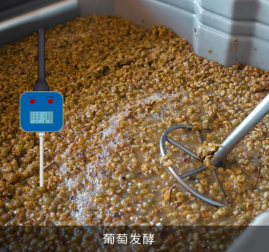
The Secret Weapon for Enhancing Wine Cellar Monitoring: The Application of Wireless Sensors
Explore the importance of wireless sensors in plug-in temperature‑monitoring systems for wine cellars, helping you preserve every bottle of fine wine to perfection.
2025/09/08

The Transformation of Wireless Sensors in Modern News Communication
Explore how wireless sensors are transforming the way news is disseminated, enhancing the efficiency and accuracy of information delivery.
2025/09/07

Discover how Hengyi Technology enhances the quality and safety of wine storage with its cellar‑mounted, plug‑in temperature monitoring system.
2025/09/06
Contact Us
Tel:+86-189-23711266 400-1273-421
E-mail:liulin@rf-md.com
Shenzhen office: 506-509, zone 1, block B, Huayuan science and Technology Innovation Park, No. 168, Baoyuan Road, Xixiang, Bao'an District, Shenzhen
Changsha Branch: 21d, building F4, Lugu enterprise Plaza, No. 27, Wenxuan Road, Yuelu District, Changsha

Follow us
-

E-mail:
yangyalan@rf-md.com
-

Tel:
+86-755-23284193
-
