

Selection and Support

In the field of industrial equipment monitoring, temperature measurement is a critical component for ensuring stable system operation. With advances in technology, wireless temperature sensors and traditional wired temperature‑measurement solutions have emerged as the two dominant options. By objectively comparing their characteristics across key dimensions—such as technical principles, installation costs, environmental adaptability, data reliability, and full‑lifecycle management—we provide a reference framework to support scenario‑specific selection.
2025/10/15
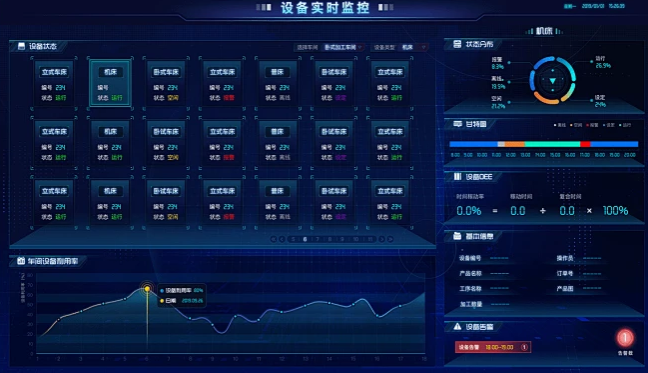
In the industrial manufacturing sector, production workshops are typically spacious, with equipment distributed across wide areas. The temperature of components such as distribution cabinets, motor bearings, and critical nodes along production lines directly impacts both operational safety and equipment lifespan. Conventional temperature‑monitoring methods rely on manual inspections, which are not only inefficient and fail to promptly detect hidden thermal hazards, but also cannot provide continuous data recording or centralized analysis.
2025/10/11
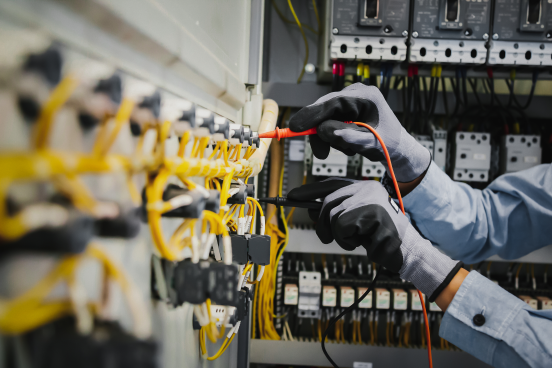
In power system operations, maintaining stable temperatures in distribution cabinets and cables is essential for ensuring equipment safety. Traditional temperature‑monitoring methods are often hampered by complex wiring and data‑latency issues, making it difficult to prevent overheating faults in real time. By contrast, wireless temperature sensors—featuring real-time monitoring, long‑term data storage, and intelligent interconnection—have become indispensable tools for measuring temperatures in distribution cabinets and cables. They not only mitigate safety risks at the source but also significantly enhance operational efficiency, redefining the standards of safety and efficiency in temperature‑monitoring applications.
2025/10/11
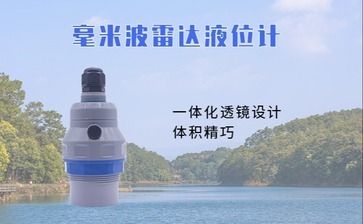
In the field of industrial process control and monitoring, level measurement is a critical component. From ancient mechanical designs to modern electronic systems, level‑measurement technology has undergone numerous iterations. Although conventional contact‑type and non‑contact‑type level transmitters remain widely employed, their inherent limitations are becoming increasingly apparent in ever more complex application scenarios. In recent years, the emergence of 80 GHz millimeter‑wave radar level transmitters, with their outstanding performance, has begun to redefine industry standards. This paper systematically compares 80 GHz millimeter‑wave radar technology with traditional level‑measurement methods, analyzing their fundamental differences.
2025/09/17
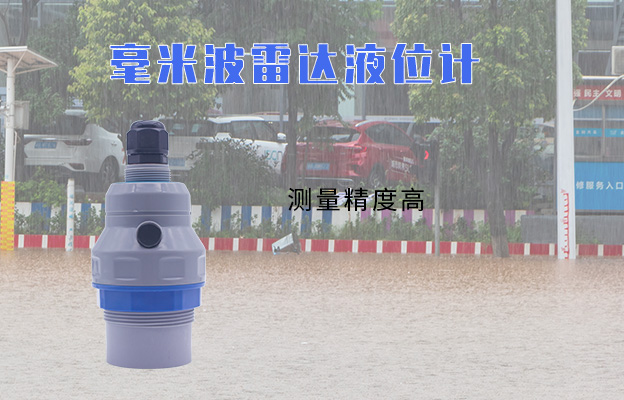
During the heavy‑rain flood season, water‑level monitoring faces numerous challenges. How can millimeter‑wave radar level gauges deliver accurate measurements? The flood period poses a severe test for water‑level monitoring equipment. Strong winds, torrential rain, waves, floating debris, and rapidly fluctuating water levels all present significant obstacles to conventional measurement methods. However, thanks to its unique technological advantages, the millimeter‑wave radar level gauge emerges as an ideal solution, delivering outstanding performance even under such extreme conditions. This article will explore in depth how it achieves stable, precise water‑level measurement in the complex environment of the flood season.
2025/09/16
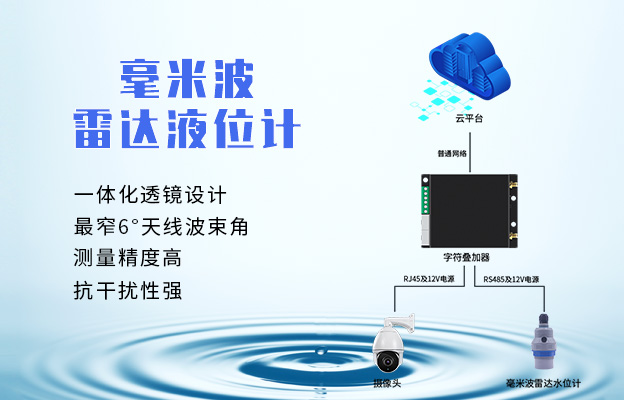
How does a millimeter-wave radar level gauge enable remote water-level monitoring?
As a high-precision, non-contact water-level monitoring device, millimeter-wave radar level gauges are increasingly becoming a critical tool in smart water management, environmental monitoring, and other fields. Leveraging advanced frequency-modulated continuous-wave (FMCW) technology, they deliver measurement accuracy of ±5 mm and support multiple remote communication protocols, enabling users to monitor water-level fluctuations in real time and with high efficiency, thereby enhancing operational effectiveness and response speed.
2025/09/13
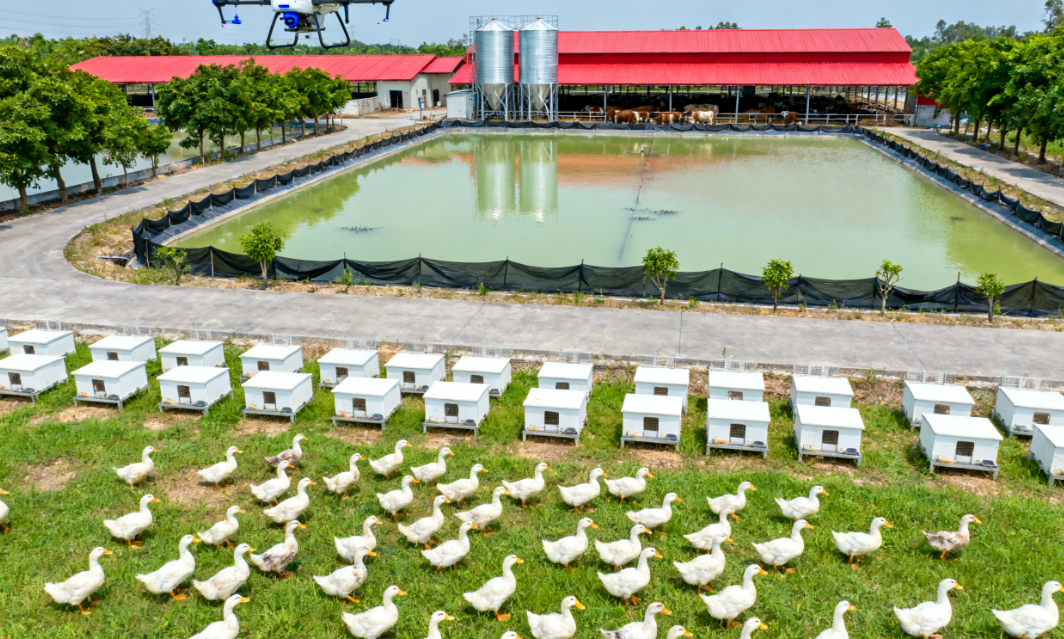
Why can’t agricultural farming do without temperature and humidity sensors?
In modern agricultural animal husbandry, environmental control is a critical factor influencing both production efficiency and animal health. Temperature and humidity, as core environmental parameters, directly affect the growth, immune function, and reproductive performance of plants and animals. With the advancement of smart sensing technologies, temperature and humidity sensors are increasingly becoming indispensable tools in agricultural farming, providing robust data support for precision management and sustainable development.
2025/09/11
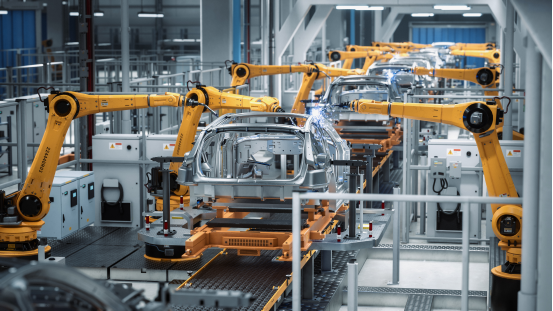
How do temperature and humidity sensors safeguard industrial manufacturing?
In industries such as manufacturing, agricultural farming, warehousing and logistics, and even cultural heritage preservation, precise monitoring of ambient temperature and humidity is essential for ensuring quality and safety. As silent guardians, how do temperature and humidity sensors, by delivering stable and reliable data acquisition, lay a solid foundation for the refined and intelligent management of modern industrial production?
2025/09/10
Contact Us
Tel:+86-189-23711266 400-1273-421
E-mail:liulin@rf-md.com
Shenzhen office: 506-509, zone 1, block B, Huayuan science and Technology Innovation Park, No. 168, Baoyuan Road, Xixiang, Bao'an District, Shenzhen
Changsha Branch: 21d, building F4, Lugu enterprise Plaza, No. 27, Wenxuan Road, Yuelu District, Changsha

Follow us
-

E-mail:
yangyalan@rf-md.com
-

Tel:
+86-755-23284193
-
